Home / Detox Programs / Zoloft Withdrawal: Signs, Timeline & Detox Process
In the United States alone, one in six people take some form of an antidepressant medication, and Zoloft is one of the most commonly prescribed. The chemical composition of Zoloft results in a substance that, like many street drugs, can cause dependency. Getting off, withdrawing or detoxing from Zoloft is often an emotional, mentally draining and physically tough thing to do, but with professional help, it is possible to lead drug-free and more fulfilled life. Granite Recovery Centers provides medical detoxification for people who do not need immediate medical intervention, are not a danger to themselves, and are capable of self-evacuation in the event of an emergency.
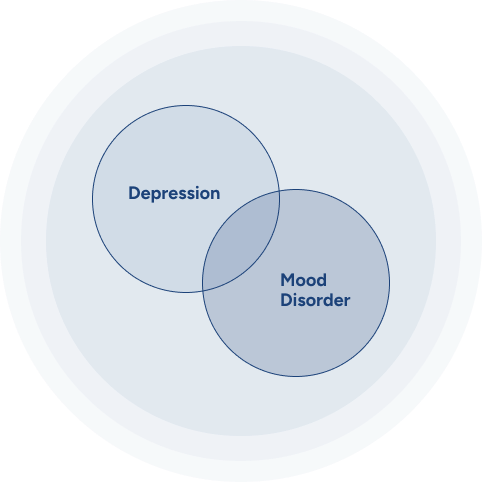
Zoloft is the brand name for sertraline, and it is used to treat a host of mood disorders such as depression, panic disorder, social anxiety disorder, anxiety, obsessive-compulsive disorder, post-traumatic stress disorder (PTSD), and premenstrual dysphoric disorder. Zoloft is a selective serotonin reuptake inhibitor, or SSRI, so it stabilizes the amount of serotonin that regulates and balances emotions in the brain.
If your doctor decides to prescribe you Zoloft and you take other prescription or over-the-counter medications, let your doctor know what those are since Zoloft is known to interact with some of them.
Those suffering from any of the mood disorders mentioned above have naturally low serotonin levels. Zoloft works to balance their levels out so that they experience more positive emotions and enjoy things again that they had previously found interesting in life. Zoloft does not make users high; instead, Zoloft takes away the perception of heavy clouds that may have blocked good feelings.
Zoloft is a medication intended for long-term use, so it is not unusual for patients to take it for several months or even years. Zoloft is generally a safe medication to take and can be a godsend for someone suffering from depression. However, there is the risk of developing a Zoloft use disorder. This happens when a person believes that they need Zoloft to function or feel normal or when they become physically dependent on it. Those who misuse Zoloft don’t do it to get high; they overuse Zoloft to cope with daily issues, which can lead to a substance use disorder.
Some signs of a Zoloft use disorder are as follows:
Aside from all of the health concerns that come from substance use disorder, the consequences of misuse spread far beyond the user. The user’s family and friends are also affected because they can feel like enablers. They might push hard for their loved one to stop. However, substance use disorder is often hard to stop alone, not only because of triggers all around but also because of the withdrawal symptoms and the discomfort of going through detox.
As with any drug that is taken long term, consulting a doctor about decreasing the dosage or deciding to stop taking it is the best advice. Coming off of Zoloft prematurely may cause a relapse of your depression or mood disorder; therefore, following a doctor’s advice to help minimize the chances of this is essential. Otherwise, withdrawal can be quite severe.
Unfortunately, more than half of the people who quit taking antidepressants like Zoloft experience withdrawal signs and symptoms that can be alarming and scary. Suddenly stopping Zoloft causes chemical changes in the brain that can make you physically ill.
Signs and symptoms of withdrawal can look a lot like depression and anxiety. They can leave you confused as to whether you are actually depressed or are instead going through withdrawal. Withdrawal signs usually start about two to four days after you’ve stopped taking the Zoloft and can last up to a few weeks. The severity of symptoms will depend on the duration of time that Zoloft was used, your dosage and your physiology.
Some signs and symptoms of withdrawal are:
Although the signs and symptoms of withdrawal look scary, if you believe that you are ready to stop taking Zoloft and are under a doctor’s care, you do not have to be afraid. A doctor will figure out a timeline for lowering your dose until you are safely and entirely off the medication. The doctors and staff at Granite Recovery Centers know that a person accomplishes recovery from the inside out. The staff will support you during the withdrawal process and help reduce your symptoms.
You should not try to get off of Zoloft on your own. Instead of risking the symptoms of withdrawal, a supervising doctor should give you a tapering schedule. A tapering schedule is a way to gradually reduce your medications and reduce your dose of Zoloft every five to seven days until you no longer take it. How your doctor decides to approach your weaning schedule will be based on your specific case, but it may look something like this: If you started at 200 mg, your doctor might take you down to 150 mg for seven days, followed by a dose of 100 mg for seven days and finally 50 mg for seven days before taking you entirely off Zoloft.
Keeping a tapering calendar in sight as a reminder of the change in dosage date is a good way to stay focused on your goal of weaning off of Zoloft. It’s also a good idea to make a note of your mood throughout the day. This is a concrete way to provide your supervising physician with feedback as to how well the tapering schedule is managing your depression or anxiety. Some other things that you can do to help minimize symptoms include seeing a therapist, staying active, exercising, eating a nutritious diet, staying hydrated and avoiding caffeine.
Detoxification is an essential and a significant part of a healthy recovery. Detox forces your body to go without a substance that it has become accustomed to. Without any help, you may feel sick, irritable, angry, panicked and a host of other emotions as you give your body less of what it craves. The delicate balance that your brain and body require regenerates during the detox process. Your brain must have time to process these chemical changes in order to function correctly. While the process may seem intense, rehab centers are specially equipped to help you.
Granite Recovery Centers will be with you from beginning to end. Our staff members know what you need during this very vulnerable time. Our staff monitors your progress, making it less likely that you will relapse during this stage of recovery.
Support will include helping you purge the Zoloft from your system and provide comprehensive care to support your well-being. The detox process typically lasts five to seven days. We tailor your treatment plan to your specific needs, which begins with an assessment and 24-hour monitoring.
When it’s time to take that step towards recovery, look for a rehab program that will meet your needs. Some characteristics to consider when looking for a recovery center are:
At Granite Recovery Centers, support comes from a belief that people afflicted with substance use disorder are not bad people trying to become good people. Rather, they are sick people trying to get well, and this tenet is at the core of what we do.
If you don’t have access to a physician who can set you up with a Zoloft tapering schedule, you may need the additional medical attention that can come from our inpatient services. Being able to live at a Granite Recovery Centers facility for anywhere from 28 to 90 days will allow you to focus on getting any mental health issues and substance use disorder under control before you try to head back into the outside world.
People who have access to quality medical care and a solid support structure outside of a rehab center setting will likely benefit more from our intensive outpatient program. With this schedule, you can still meet school, work or family requirements while integrating your recovery into your daily life.
No matter which treatment program you choose, it’s likely that the cravings for Zoloft will return after detox and therapy. However, learning how to manage the triggers and anxiety will help you stay sober. Therapy sessions will give you the resources to feel confident about avoiding relapse. At Granite Recovery Centers, professionals work to help you mend your whole physical, spiritual, mental and emotional being.
One of the best things about Granite Recovery Centers is that your recovery doesn’t end when you leave the facility. Instead, we have aftercare supportive programs that provide you tools in your fight for sobriety. We provide you with resources and guidance while you continue on your journey. During therapy, you will have developed strategies and techniques that will help you in difficult situations for years to come.
We also offer options for sober living options that are structured to support your recovery, and some of those include family involvement in your future. Granite Recovery Centers programs and workshops help educate, support and provide guidance so that your family members learn skills to help you. The support will also help your family take care of themselves as they help you stay on the path to recovery.
If you find yourself in an endless spiral of anxiety and drug use, it can seem like there’s no way out. However, substance use disorder is treatable, and taking the brave step to detox and recover from a Zoloft use disorder is the first step toward getting your life back on track. Granite Recovery Centers can help you take essential steps toward a bright, addiction-free future. Call us today.
If you want to visit one of our New England drug rehab centers, please contact us at Granite Recovery Centers. Our experts will work with you to find a high-quality treatment option that meets your needs. We strive to provide a holistic level of treatment with evidence-based care, giving you the help necessary to regain your sobriety for good.

| Cookie | Duration | Description |
|---|---|---|
| __cf_bm | 1 hour | This cookie, set by Cloudflare, is used to support Cloudflare Bot Management. |
| .AspNetCore.Cookies | 11 months | This cookie is installed by BayMark Health Services, Inc. The cookie is used to maintain persistence with ChatGPT sessions. |
| .AspNetCore.CookiesC1 | 11 months | This cookie is installed by BayMark Health Services, Inc. The cookie is used to maintain persistence with ChatGPT sessions. |
| .AspNetCore.CookiesC2 | 11 months | This cookie is installed by BayMark Health Services, Inc. The cookie is used to maintain persistence with ChatGPT sessions. |
| .AspNetCore.CookiesC2 | 11 months | This cookie is installed by BayMark Health Services, Inc. The cookie is used to maintain persistence with ChatGPT sessions. |
| .AspNetCore.CookiesC3 | 11 months | This cookie is installed by BayMark Health Services, Inc. The cookie is used to maintain persistence with ChatGPT sessions. |
| .AspNetCore.CookiesC3 | 11 months | This cookie is installed by BayMark Health Services, Inc. The cookie is used to maintain persistence with ChatGPT sessions. |
| AspNetCore.Cookies | 11 months | This cookie is installed by BayMark Health Services, Inc. The cookie is used to maintain persistence with ChatGPT sessions. |
| AspNetCore.CookiesC1 | 11 months | This cookie is installed by BayMark Health Services, Inc. The cookie is used to maintain persistence with ChatGPT sessions. |
| cookielawinfo-checkbox-advertisement | 1 year | Set by the GDPR Cookie Consent plugin, this cookie records the user consent for the cookies in the "Advertisement" category. |
| cookielawinfo-checkbox-analytics | 11 months | This cookie is set by GDPR Cookie Consent plugin. The cookie is used to store the user consent for the cookies in the category "Analytics". |
| cookielawinfo-checkbox-functional | 11 months | The cookie is set by GDPR cookie consent to record the user consent for the cookies in the category "Functional". |
| cookielawinfo-checkbox-necessary | 11 months | This cookie is set by GDPR Cookie Consent plugin. The cookies is used to store the user consent for the cookies in the category "Necessary". |
| cookielawinfo-checkbox-others | 11 months | This cookie is set by GDPR Cookie Consent plugin. The cookie is used to store the user consent for the cookies in the category "Other. |
| cookielawinfo-checkbox-performance | 11 months | This cookie is set by GDPR Cookie Consent plugin. The cookie is used to store the user consent for the cookies in the category "Performance". |
| CookieLawInfoConsent | 1 year | CookieYes sets this cookie to record the default button state of the corresponding category and the status of CCPA. It works only in coordination with the primary cookie. |
| elementor | never | The website's WordPress theme uses this cookie. It allows the website owner to implement or change the website's content in real-time. |
| viewed_cookie_policy | 11 months | The cookie is set by the GDPR Cookie Consent plugin and is used to store whether or not user has consented to the use of cookies. It does not store any personal data. |
| wpEmojiSettingsSupports | session | WordPress sets this cookie when a user interacts with emojis on a WordPress site. It helps determine if the user's browser can display emojis properly. |
| Cookie | Duration | Description |
|---|---|---|
| yt-player-bandwidth | never | The yt-player-bandwidth cookie is used to store the user's video player preferences and settings, particularly related to bandwidth and streaming quality on YouTube. |
| yt-player-headers-readable | never | The yt-player-headers-readable cookie is used by YouTube to store user preferences related to video playback and interface, enhancing the user's viewing experience. |
| yt-remote-cast-available | session | The yt-remote-cast-available cookie is used to store the user's preferences regarding whether casting is available on their YouTube video player. |
| yt-remote-cast-installed | session | The yt-remote-cast-installed cookie is used to store the user's video player preferences using embedded YouTube video. |
| yt-remote-connected-devices | never | YouTube sets this cookie to store the user's video preferences using embedded YouTube videos. |
| yt-remote-device-id | never | YouTube sets this cookie to store the user's video preferences using embedded YouTube videos. |
| yt-remote-fast-check-period | session | The yt-remote-fast-check-period cookie is used by YouTube to store the user's video player preferences for embedded YouTube videos. |
| yt-remote-session-app | session | The yt-remote-session-app cookie is used by YouTube to store user preferences and information about the interface of the embedded YouTube video player. |
| yt-remote-session-name | session | The yt-remote-session-name cookie is used by YouTube to store the user's video player preferences using embedded YouTube video. |
| ytidb::LAST_RESULT_ENTRY_KEY | never | The cookie ytidb::LAST_RESULT_ENTRY_KEY is used by YouTube to store the last search result entry that was clicked by the user. This information is used to improve the user experience by providing more relevant search results in the future. |
| Cookie | Duration | Description |
|---|---|---|
| _uetsid | 1 day | Bing Ads sets this cookie to engage with a user that has previously visited the website. |
| _uetvid | 1 year 24 days | Bing Ads sets this cookie to engage with a user that has previously visited the website. |
| Cookie | Duration | Description |
|---|---|---|
| _fbp | 3 months | Facebook sets this cookie to display advertisements when either on Facebook or on a digital platform powered by Facebook advertising after visiting the website. |
| _ga | 1 year 1 month 4 days | Google Analytics sets this cookie to calculate visitor, session and campaign data and track site usage for the site's analytics report. The cookie stores information anonymously and assigns a randomly generated number to recognise unique visitors. |
| _ga_* | 1 year 1 month 4 days | Google Analytics sets this cookie to store and count page views. |
| _gat_UA-* | 1 minute | Google Analytics sets this cookie for user behaviour tracking. |
| _gcl_au | 3 months | Google Tag Manager sets the cookie to experiment advertisement efficiency of websites using their services. |
| _gid | 1 day | Google Analytics sets this cookie to store information on how visitors use a website while also creating an analytics report of the website's performance. Some of the collected data includes the number of visitors, their source, and the pages they visit anonymously. |
| _hjSession_* | 1 hour | Hotjar sets this cookie to ensure data from subsequent visits to the same site is attributed to the same user ID, which persists in the Hotjar User ID, which is unique to that site. |
| _hjSessionUser_* | 1 year | Hotjar sets this cookie to ensure data from subsequent visits to the same site is attributed to the same user ID, which persists in the Hotjar User ID, which is unique to that site. |
| _hjTLDTest | session | To determine the most generic cookie path that has to be used instead of the page hostname, Hotjar sets the _hjTLDTest cookie to store different URL substring alternatives until it fails. |
| Cookie | Duration | Description |
|---|---|---|
| __ctmid | 1 month | CallTrackingMetrics sets this cookie to determine the advertising channel that led a visitor to the website and also show the tracking phone number that corresponds to that channel. |
| fr | 3 months | Facebook sets this cookie to show relevant advertisements by tracking user behaviour across the web, on sites with Facebook pixel or Facebook social plugin. |
| MUID | 1 year 24 days | Bing sets this cookie to recognise unique web browsers visiting Microsoft sites. This cookie is used for advertising, site analytics, and other operations. |
| test_cookie | 15 minutes | doubleclick.net sets this cookie to determine if the user's browser supports cookies. |
| VISITOR_INFO1_LIVE | 6 months | YouTube sets this cookie to measure bandwidth, determining whether the user gets the new or old player interface. |
| VISITOR_PRIVACY_METADATA | 6 months | YouTube sets this cookie to store the user's cookie consent state for the current domain. |
| YSC | session | Youtube sets this cookie to track the views of embedded videos on Youtube pages. |
| yt.innertube::nextId | never | YouTube sets this cookie to register a unique ID to store data on what videos from YouTube the user has seen. |
| yt.innertube::requests | never | YouTube sets this cookie to register a unique ID to store data on what videos from YouTube the user has seen. |
| Cookie | Duration | Description |
|---|---|---|
| ct213024 | session | Description is currently not available. |
| ENTERPRISE_SESSION | 7 days | Description is currently not available. |
| guest | 1 month | No description available. |
| JOTFORM_SESSION | 1 month | No description available. |
| MSPTC | 1 year 24 days | Description is currently not available. |
| userReferer | 1 month | No description available. |